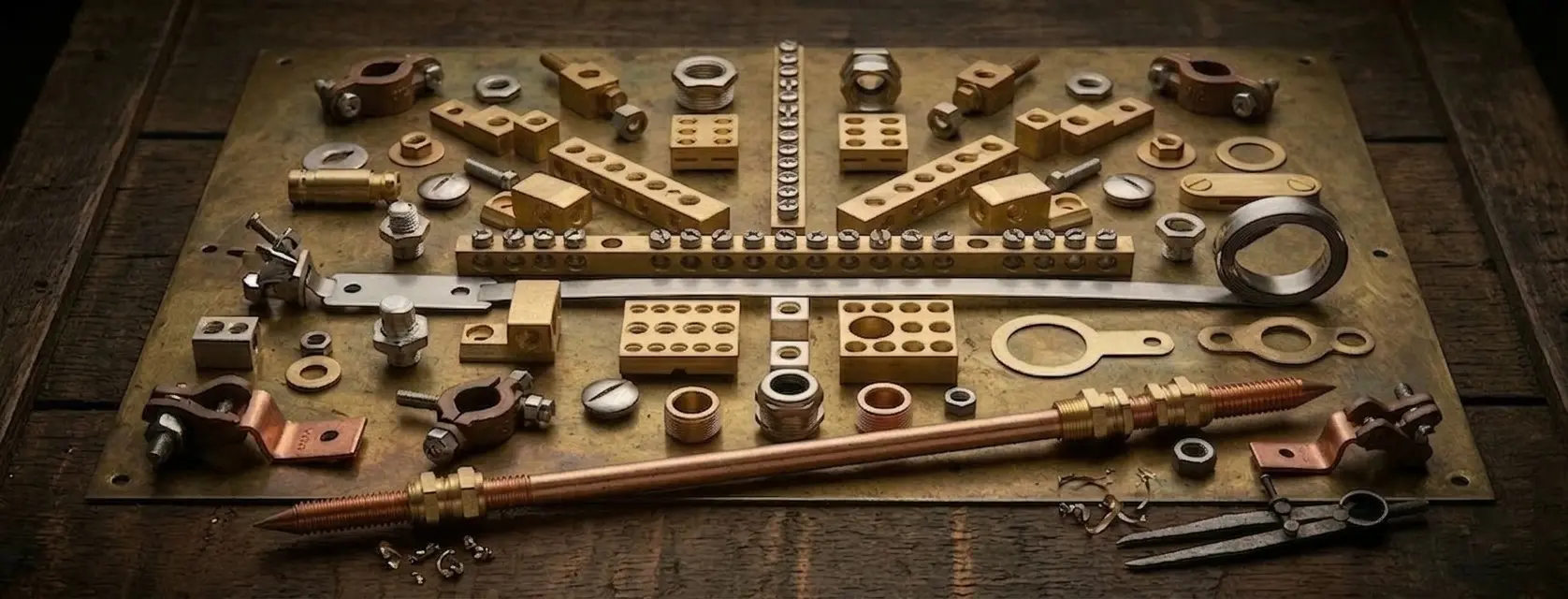
Jamnagar, a vibrant industrial city on the western coast of Gujarat, India, has earned the distinguished title of the Brass City of the World. Home to more than 5,000 brass manufacturing units concentrated within the GIDC industrial estates, Jamnagar produces an estimated 60 to 65 percent of India's total brass output. This extraordinary concentration of manufacturing expertise, skilled labor, and integrated supply chains makes Jamnagar the go-to destination for global buyers seeking high-quality brass components at competitive prices.
This guide provides a comprehensive overview of the Jamnagar brass industry ecosystem — covering the types of manufacturers, product categories, infrastructure, and factors buyers should consider when evaluating suppliers.
History and Growth of Brass Manufacturing in Jamnagar
The brass industry in Jamnagar traces its origins to the early twentieth century, when small workshops began producing household utensils and decorative items from copper and zinc alloys. The establishment of GIDC estates in the 1960s and 1970s catalyzed rapid industrial growth, providing manufacturers with organized industrial plots, power, and transportation infrastructure.
By the 1990s, Jamnagar had established itself as a major exporter of precision brass components, supplying markets in Europe, North America, the Middle East, and Southeast Asia. Today, the industry generates thousands of crores in annual revenue and employs hundreds of thousands of workers.
Major Categories of Brass Industries
Precision Turned Component Manufacturers
The largest segment consists of CNC-turned and auto-turned component producers. These companies manufacture pins, bushings, connectors, adapters, and custom machined parts for electrical, automotive, plumbing, and telecommunications industries using high-speed Swiss-type CNC lathes.
Brass Extrusion and Foundry Units
Numerous extrusion plants convert brass billets into rods, bars, and profiles that serve as primary raw material for turned component manufacturers downstream. Foundry units produce castings through sand, gravity die, and pressure die casting processes.
Brass Fittings and Plumbing Manufacturers
A significant portion of output consists of compression fittings, flare fittings, push-fit connectors, valves, inserts for CPVC and PPR pipes, and sanitary ware components for domestic and international plumbing markets.
Brass Electrical Component Manufacturers
Electrical brass components including pins, sockets, terminal blocks, earthing components, switch parts, and cable glands meeting international standards such as BS, DIN, IS, and UL represent a major segment.
Brass Fastener and Hardware Producers
Screws, bolts, nuts, washers, anchors, and threaded inserts for construction, marine, automotive, and electronics industries where corrosion resistance and non-magnetic properties are required.
Infrastructure Supporting the Brass Cluster
-
GIDC Industrial Estates: Multiple phases provide organized plots with road connectivity, power, and common effluent treatment.
-
Raw Material Access: Proximity to copper and zinc suppliers plus a robust brass scrap recycling ecosystem ensures stable material availability.
-
Skilled Labor Pool: Generations of specialized workers in brass machining, forging, and finishing create an unmatched talent base.
-
Port Connectivity: Proximity to Kandla Port and Mundra Port provides efficient export logistics.
-
Industry Associations: Organizations like the Jamnagar Brass Parts Association facilitate standards development and collective bargaining.
Prominent Manufacturers
Anand Brass Components, established in 1991, operates from a 15,000 sq ft integrated facility in GIDC Phase-III. The company offers end-to-end manufacturing including casting, extrusion (2 tons/day), forging, machining, and coating. Their product range spans brass inserts, cable glands, hose fittings, turned parts, fasteners, electrical components, and transformer parts. Serving clients in India, the USA, and the UK.
The cluster also hosts manufacturers specializing in automotive brass parts, precision electrical components, and oil and gas fittings, meaning buyers can find specialist suppliers for virtually any brass product category.
How to Evaluate Suppliers from Jamnagar
-
Verify ISO 9001:2015 certification and industry-specific certifications.
-
Assess in-house capabilities from extrusion through finished machining.
-
Schedule factory audits (on-site or virtual) for significant contracts.
-
Evaluate export documentation capabilities (COO, packing lists, MTC).
-
Check references from existing international clients.
Export Destinations and Global Reach
Jamnagar manufacturers export to over 50 countries. The largest markets include the USA, UK, Germany, Canada, Australia, and the Middle East. Indian government support through PLI schemes and export promotion initiatives has strengthened Jamnagar's competitive position. Many manufacturers have invested in upgraded CNC machinery, automated inspection, and ERP software.
Frequently Asked Questions
Q: How many brass industries are in Jamnagar?
Approximately 5,000+ brass manufacturing units across GIDC Phases I through IV.
Q: What products do Jamnagar brass industries make?
Turned parts, pipe fittings, cable glands, fasteners, electrical components, plumbing inserts, valves, automotive parts, and custom components.
Q: How can I find a reliable manufacturer?
Verify ISO certifications, assess in-house capabilities, request samples, check export references, and consider factory audits.
Q: What are the advantages of sourcing from Jamnagar?
Competitive pricing, specialized skilled labor, integrated manufacturing, established export logistics, and wide supplier selection.
