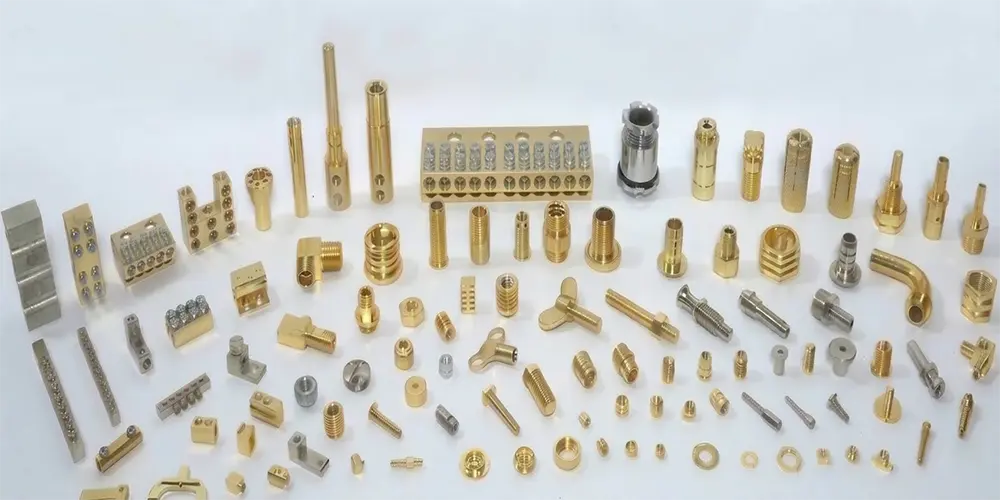
The Jamnagar brass market stands as the single largest concentration of brass manufacturing and trading activity anywhere in the world. Located in the Saurashtra region of Gujarat, India, this sprawling industrial ecosystem processes thousands of metric tons of brass each month, supplying everything from raw extruded rods to finished precision components to buyers on every continent.
This guide takes you inside the Jamnagar brass market, covering its structure, pricing mechanisms, product categories, and practical steps for sourcing from this global manufacturing powerhouse.
Scale and Structure of the Market
Jamnagar's brass market is not a single marketplace but a dense network of interconnected manufacturers, traders, foundries, extrusion plants, and finishing units spread across multiple GIDC industrial estates. The market encompasses the complete value chain — from scrap dealers and ingot casters to CNC machining centers and export packing units.
At the raw material level, traders deal in brass scrap (domestic and imported), copper cathodes, zinc ingots, and brass billets. Extrusion plants convert billets into rods, bars, and profiles. The finished goods segment includes thousands of manufacturers producing turned parts, fittings, fasteners, inserts, cable glands, and other components.
Market Dynamics and Pricing Factors
-
LME Copper and Zinc Prices: London Metal Exchange prices directly affect brass raw material costs, typically with a 1-2 week lag.
-
Alloy Composition: High-copper alloys (65%+ Cu) cost more than standard 60-40 brass due to higher copper input.
-
Scrap Availability: When scrap is tight due to seasonal factors or import restrictions, prices increase across the chain.
-
Machining Complexity: Finished component prices reflect material cost, tolerances, surface finish, and batch size. High-volume orders benefit from scale economies.
-
Currency Exchange Rates: INR to USD/EUR rates add another pricing layer for international buyers.
Product Categories Available
Raw and Semi-Finished Products
Brass ingots, billets, extruded rods (2 mm to 100 mm), drawn wires, sheets, strips, and profiles sourced directly from producers.
Precision Machined Components
CNC-turned and auto-turned components including electrical pins, sockets, connectors, bushings, valve stems, and custom parts with tolerances to plus or minus 0.005 mm.
Plumbing and Pipe Fittings
Compression fittings, flare fittings, hose barbs, ball valves, gate valves, check valves, and inserts for CPVC, PPR, and PVC systems exported globally.
Electrical and Industrial Components
Cable glands, terminal blocks, earthing accessories, switch components, transformer parts, and automotive brass parts with CE, UL, and BS certifications.
Brass Fastener and Hardware Producers
Effective Sourcing from the Jamnagar Market
-
Define specifications clearly with drawings, material grades, tolerances, and quantities.
-
Request multiple quotes from 3-5 manufacturers for competitive pricing.
-
Evaluate sample quality including dimensions, material composition, and threading precision.
-
Negotiate payment terms: advance for new clients, LC or DA for established relationships.
-
Plan logistics early — FOB Mundra or Kandla. Sea freight to US takes 25-30 days, Europe 18-22 days.
Quality Assurance
Leading manufacturers maintain ISO 9001:2015 certified systems with in-house spectrometers, projector gauges, and CMMs. Buyers should request material test certificates, dimensional inspection reports, surface finish measurements, and certificates of compliance. Third-party inspection by SGS, Bureau Veritas, or TUV can be arranged.
Future of the Jamnagar Brass Market
Industry 4.0 technologies including IoT-enabled machine monitoring and automated inspection are being adopted. Environmental sustainability investments in water recycling and energy-efficient furnaces are gaining prominence. Demand from EV charging infrastructure, renewable energy, and 5G telecommunications is expected to sustain strong growth through the decade.
Frequently Asked Questions
Q: What is the current brass price in Jamnagar?
Standard CZ121 brass rods typically range INR 500-600/kg depending on diameter and quantity. Contact manufacturers for current quotes.
Q: Can I visit the Jamnagar brass market?
Yes, manufacturers welcome visits to GIDC Phases I-IV in Dared, Jamnagar. Schedule appointments in advance.
Q: What is the minimum order quantity?
MOQs start at 5,000-10,000 pieces for standard turned components. Custom parts may accept smaller initial orders.
Q: How do Jamnagar prices compare globally?
Jamnagar offers 20-40% cost advantages compared to European, North American, or East Asian manufacturers.
